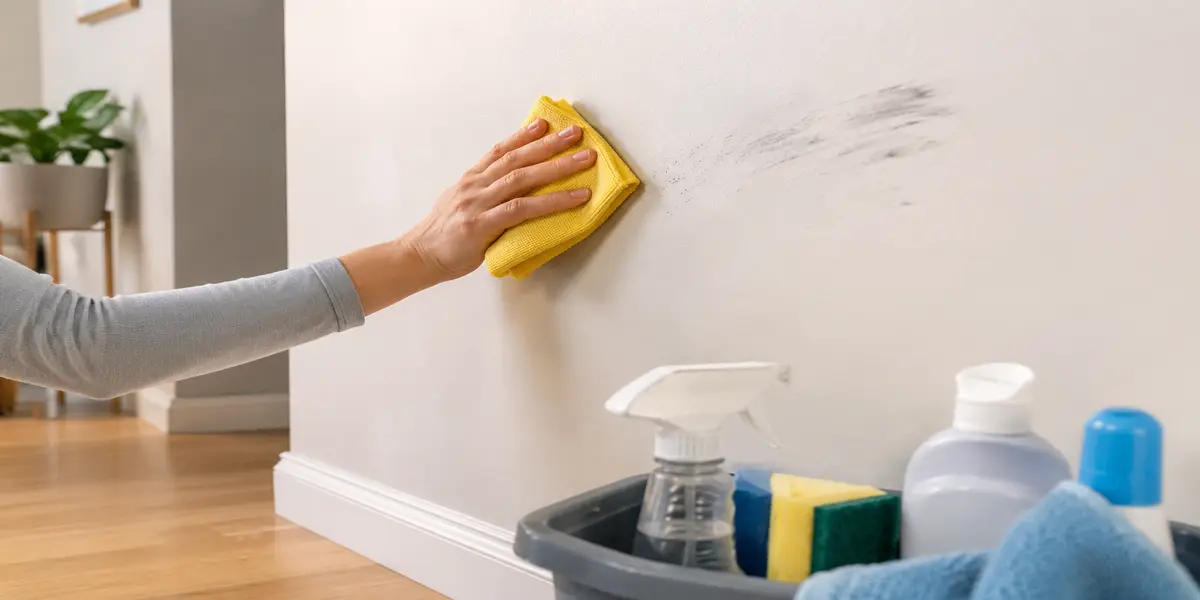
Scuff marks are everyday home problem. Miscue in cleaning up scruffy spots left at walls can easily result in damaging the paint work on walls creating permanent blemishes. That’s why learning the correct way of cleaning-up scuff-marks off walls is key to having your home look great for long and preserving that lovely paint finish too. Here are tips from this post on some wall cleaning methods that are suitable for indoor use but won’t mar fade or peel the paint on wall that has just been painted.
Table of Contents
Why Scuff Marks Appear
Scuffs are created when we come into contact with different items throughout our day within our homes. Footwear, chairs, vacuum cleaners, bicycles and furniture when moved can all leave dark marks on painted walls. Hallways, stairs, children’s bedrooms and front doors have the most wear and tear. In the houses of Australians with busy families or pets they see these marks a lot. Regular washing of interior walls prevents accumulation of dirt and helps maintain a freshly-painted appearance. Knowing what drives these marks on walls without paint allows homeowners to prevent them in the future and also makes it easier to clean scuffs from walls prior to them becoming permanent.
Choose Safe Cleaning Supplies
Being kind to the environment is the beginning of taking care of your painted walls. If you are wondering what the best way of getting rid of stains on the painted walls is, this article will help you. To clean your walls take warm water and a few drops of mild dish soap. Mix them together and you will have a perfect cleaning solution for your walls. Dust mopping with a microfiber cloth is very light on the floor, and the material won’t scratch or damage paintings and paint finishes. Soft sponges also have light scrubbing capabilities.
Wall Cleaning Products Comparison
| Cleaning Product | Safe for Painted Walls | Best Use |
| Warm water | Yes | Light dust and marks |
| Mild dishwashing liquid | Yes | Everyday cleaning |
| Microfiber cloth | Yes | Gentle wiping |
| Soft sponge | Yes | Light scuff marks |
| Diluted white vinegar | Yes | Sticky residue |
| Abrasive scrubbers | No | May damage paint |
Test Before Cleaning
You must always try your cleaner on a place on the wall that is not seen before you proceed to the whole wall with your cleaning process. Various paints and finishes respond to water and cleaning agents differently. In general matte paint is more fragile than satin or semi gloss finishes. Apply some cleaning fluid with the cloth and allow it to dry fully. Take note if you observe any change in color or lightening. This minor precaution spares your walls from surprises now and in the future. It also gives you peace of mind that your method is suitable to clean your walls effectively on the inside.
Remove Light Scuff Marks
Some small scratches may be eliminated simply by cleaning them up. Dip the microfiber towel into warm soap water and wring it well. Clean using straight strokes using the least pressure possible. Do your best and then decide on the next step. If after the initial cleaning the problem still exist, you can repeat the procedure as many times as you want but you should not try to rub the surface in that moment. The gentle cleaning technique described before will take scuff marks off a painted surface without harming any paint. With time repeated usage will prevent small marks from turning into large stains.
Clean Stubborn Marks Safely
Despite washing with the gentlest possible methods some scuff marks still remain. These sorts of marks are mostly caused by rubber soled shoes, chair or table legs, bicycles or other heavy machinery swiping against painted walls. To tackle the first step you may use a slightly damp microfiber towel and soapy water with a small amount of mild soap. Keeping your home in top condition is easier with spotless home cleaning services whenever extra cleaning support is needed. If this doesn’t work then try a mixture of diluted white vinegar or use a melamine sponge but with just slight pressure. The end result is clean scuff free walls and minimal strain on your original colour paint job and walls and less chance of visual scars.
Protect Painted Walls
Preventing scuffs is definitely better than cleaning up after them. Use furniture pads on chair and table legs to make furniture wall contact as little as possible. Fasten a door stopper to prevent door handles from colliding with painted walls. Advise children not to kick walls with shoes and to take care when moving heavy furniture while cleaning or doing renovations. Interior walls can also be cleaned regularly to dust which can hold dirt and become darker marks down the line. Add small habits to your routine to maintain your paint and minimize your maintenance load and keep your home’s interiors looking clean year-round.
Follow A Cleaning Schedule
The walls are one of the places that we probably don’t clean as often as the floors or furniture but dust and marks gather there regularly. To clean the spots you walk on most use a dry microfiber cloth every two weeks. Get rid of any scuff marks while they are still fresh as it will be quite hard work later to remove them. Remember to go through your hallways, children’s bedrooms, landings and entrances while doing the cleaning at your home. Having a quick maintenance plan will make it so much easier to get rid of scuffed marks on walls before they take root permanently.
Interior Wall Cleaning Checklist
| Cleaning Task | Recommended Frequency | Benefit |
| Dust painted walls | Every 2 weeks | Prevents dirt build-up |
| Clean light scuff marks | As needed | Stops permanent staining |
| Wipe high-touch areas | Weekly | Removes fingerprints |
| Inspect hallways and stairs | Weekly | Finds new marks early |
| Deep clean painted walls | Every 3–6 months | Maintains paint finish |
| Check furniture protection | Monthly | Prevents future scuff marks |
Avoid Common Cleaning Mistakes
Sometimes house owners ruin painted walls by either forcing it too much or by using aggressive chemicals. Bleach and ammonia as well abrasive scrubbers and can strip paint and dull the surface. One more mistake is to immerse the walls in water. Using inappropriate cleaners can lead to devastating consequences for plasterboard or cause paint to peel off completely. If a cleaner that causes harm to paint is chosen the surface could become permanently discolored. Gentle cleaning methods tend to get better results eventually though. It is very important to pick the right cleansers when you clean indoors and not apply too much pressure on walls that will safeguard the paint yet dirt and grime will be eliminated without any problems.
When Professional Help Matters
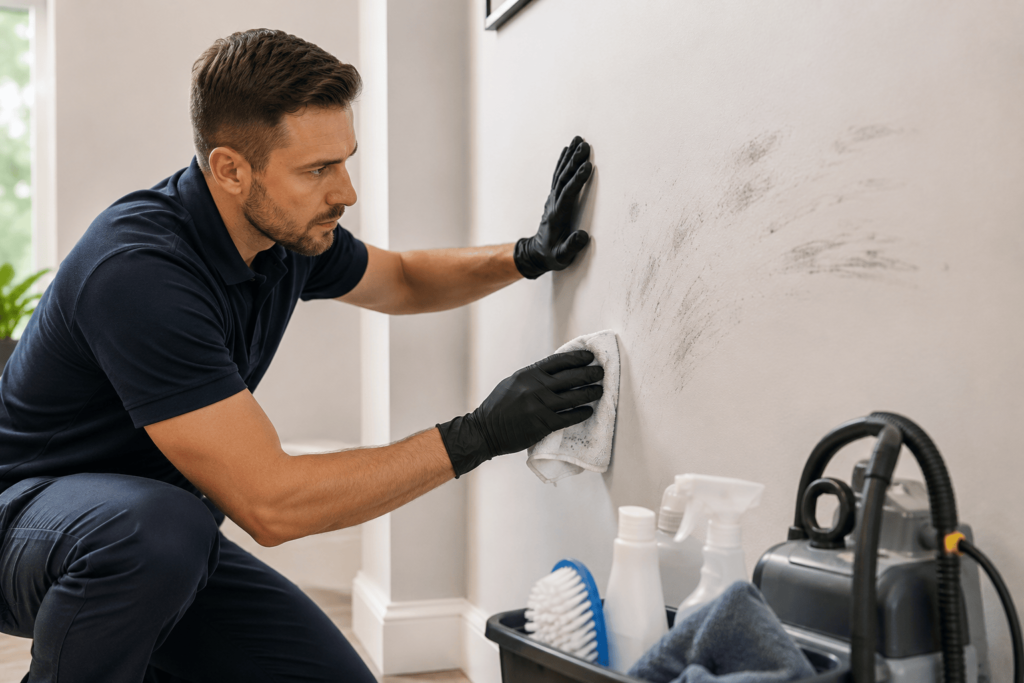
The reason to call in an expert is some stains might have entered the paint or involved oil, smoke marks, mould or just general soiling which has settled on the surface over time. Professionals have machines, cleaning solutions that are just right for such jobs that are very sensitive to painted surfaces. In addition, to avoid scratching and fading they have a good knowledge of different types of paint finishes. Hiring professionals for cleaning interior walls is quite the best approach when preparing the property for a rent check, sales inspection or a big event. A blend of routine upkeep with a few visits from cleaners will do wonders. Australians have this advantage to keep walls nice and clean while still making their interior paintings last longer.
Conclusion
However, knowing how to properly maintain your walls can help your home looking brand new but also protect painted surfaces from damage. The use of the right cleaners together with proper cleaning tools and methods will be able to remove scuff marks from walls without damaging your paint. Daily cleaning Your walls also won’t accumulate dust and grime which can make cleaning them a pain in the ass later on. If you’re preparing for a move-out, our bond cleaning process guide for first-time renters offers practical tips to make the cleaning process easier. Homeowners who follow those simple pointers will be able to clean their surfaces and keep fresh paint on their homes for ages to come.
Frequently Asked Questions
1. Why do scuff marks seem to reappear after I clean them?
At times the stain gets allowed to settle down in the paint and only the shaded part of it is repaired. This can lead to a light film in case of a damp wall and dirty cloth. This usually stops this problem use a clean microfiber cloth and dry the area by rubbing the towel.
2. Can frequent wall cleaning reduce the lifespan of painted walls?
No, not if one handled the paint carefully. Łearning how to dry dust with an ordinary microfiber cloth or wash using a little soap and water is the best way to clean.
3. Are darker wall colours more likely to show scuff marks?
A: Yes, Dark walls regularly show up light scuff marks from shoes, furniture and luggage. They can also conceal dust better than light walls so attend to them regularly with your spot cleaner.
4. Is it better to clean one scuff mark immediately or wait until it’s time to clean the whole wall?
Cleaning scuffs one at a time as they appear often is the best method. New marks are easier to clean and have less chance of getting caught in the paint finish.