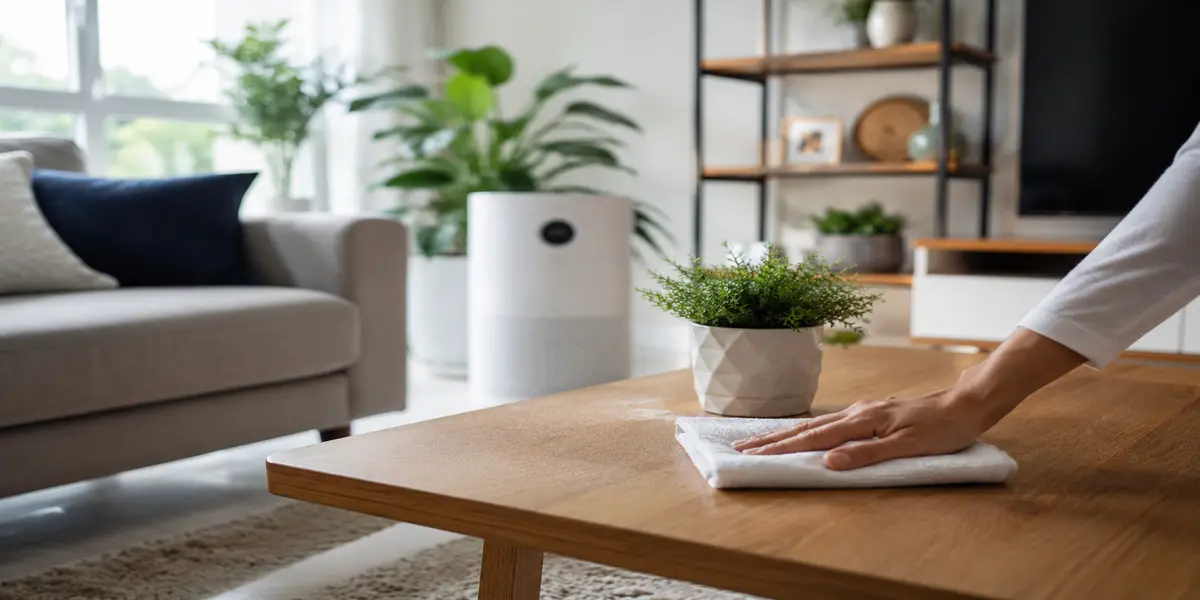
Reduce Dust in Home: Real Causes, Smart Cleaning Fixes
Most people notice it dust shows up again almost immediately. Most times, dust settles faster than you’d think. Still, trying harder won’t fix everything. Tiny particles return without warning. They drift slowly at first, then cover everything just the same. Dust piles up, even when folks wipe things down daily. Spotless floors do not fix what happens behind the scenes. Knowing where it sneaks in changes everything.
When air flow carries lint from corners, answers show up fast. Open windows? That moves tiny bits around in ways most never notice. Hidden gaps under doors feed the cycle without warning. Filters catch some, yet fibres float past weak seals. Simple shifts like sealing edges slow the spread quietly. Results come not from more scrubbing, but smarter steps taken early.
What Makes Dust Appear Indoors?
Nowhere seems safe from dust, even places you’d never guess. Little scraps of dead skin settle slowly, mixed with fibres shed from fabric. Animal fur drifts into corners, adding its share over time. Pollen floats inside when breezes pass through glassless windows. Dirt from outside clings to soles, later scattering wherever feet move. Paper, along with floor coverings, sheds tiny bits into the air. Day after day, new specks appear out of nowhere. This constant flow makes cleaning seem pointless. Knowing where most dust comes from changes how you deal with it. Clarity on sources leads to better results.
Why Regular Cleaning Is Not Enough
Dust you can see gets wiped away when cleaning. Yet that grime returns fast. Many tools blow it into the air instead of capturing it. After floating a while, it lands elsewhere. Without moisture to trap it, debris just moves from spot to spot. Dust flies back into the air when vacuums lack filters. Hidden areas stay untouched by fast wipe-downs. Along edges and inside cloth surfaces, particles pile up slowly. Old ways let grime sneak right back in. Real results come only when routines get sharper.
Use the Right Cleaning Tools
Some cleaning tools just get in the way. Cotton tends to attract less dust compared to microfiber. What clings more easily lands on synthetic blends instead. Tiny bits stay caught inside the fibres rather than flying around. A wet rag works best on smooth floors and counters. Midway through cleaning, less dust stays in the air. A vacuum that has a HEPA filter works better. Tiny particles get caught inside it. Feather dusters? Not helpful, dust just flies elsewhere. For homes needing deeper move-out care, professional bond cleaning services can help alongside regular upkeep. With the right gear, outcomes shift noticeably.
Focus on High-Dust Areas
Dust piles up unevenly across rooms. Inside carpets and rugs, grime sinks far down. Fine stuff lingers in curtains just as much as in fabric-covered furniture. When ceiling fans spin, they scatter what’s settled on them. Over weeks, air vents quietly catch drifting specks. Bookshelves gather dust just like your devices do. Wipe them down every few days rather than leaving them too long. Hidden corners behind sofas or chairs trap dirt quickly. Regular effort works better than one big scrub monthly. Doing little things often makes real change happen.
Improve Air Quality Indoors
Where air flows, dust follows, yet not always in the same way. How tiny particles travel shifts with every breath of wind nearby. When airflow is weak, particles drop faster instead of staying suspended. Try cracking a window when pollution levels are lower outside. Bathroom and kitchen vents help pull dusty air out before it settles. Most of the tiny stuff floating around gets pulled out. A machine made for dust does this well. Filtering happens nonstop, every hour. When it’s gusty outside, shut the entrance tight. That stops dirt from coming inside. Less junk in the airflow leads to fewer specks landing on surfaces.
Reduce Fabric and Clutter
Dust sticks to fabric things, then lets go when disturbed. Thick curtains hold onto bits longer than most. Pillows and throws? They gather gunk just like the rest. More stuff means extra spots where grime settles. Messy spaces slow down wiping and sweeping. Dust wins when clutter blocks the way. Start with fewer things inside each room. Go for materials that are easy to clean, especially pale ones. Wash these often without waiting. Open areas tend to collect less grime over time. Professional carpet cleaning helps remove dust trapped deep inside soft floor fibres. Having just what you need makes upkeep easier.
Control Humidity Levels
Most times, dust moves faster when the room lacks dampness. A bit of wetness in the air changes the particles’ speed. Water vapour weighs them down, stops their drift. Machines adding moisture can help if the space feels parched. But watch how far you go; soggy air brings its own troubles. Mould might grow if things stay damp. For better outcomes, aim for steady moisture control. A middle range tends to fit most spaces. Less floating debris happens this way. Calm settles easiest where indoor conditions hold steady.
Create a Smart Cleaning Routine
Stillness holds most in place if nothing touches the surface. A single pass every few days pulls the particles away before they settle deep. Start with high clothes that go over shelves first. Bumping things loose means they land somewhere else later. Floors come last, so dirt does not get dragged upward again. Fans come first, then shelves get attention next. Floors wait until last, just before carpets are cleaned too. Bedding needs a wash each week without fail. Dirt stays outside more when door mats do their job. Shoes stay by the entrance instead of coming inside. Lasting results begin in small moments, one habit at a time.
Long-Term Fixes That Actually Work
Over time, adjustments stick. Gaps around doors? Close them tight. Windows let in grit? Block that path. Outside particles have a harder time getting inside. Filters need attention; give them attention often. A clean system runs better. Dust finds fewer ways in when things are sealed. Most filters need regular cleaning or swapping out. Every day, a purifier tackles floating particles without stopping. Protection builds slowly when you run it consistently. Surfaces that wipe down fast make life simpler. Thick rugs tend to trap more grit than they should. Over weeks, less dust settles where people live.
Conclusion
Most people think dust just shows up out of nowhere. Yet a steady routine changes that story fast. When you know where it comes from, moves become clearer. Most vacuums clean more effectively if you wipe floors each day. With fewer items on surfaces, dust has fewer spots to hide. Dust sticks where clutter sits, clear it, and cleanup gets simpler. Breathing easier starts by keeping surfaces bare. A shift here, a tweak there, and soon things add up.
Stick with it, that is where progress hides. Slowly, the air shifts lighter inside your walls. For entryway upkeep, simple ways to keep your mudroom clean and organised can also help support cleaner indoor spaces. Now you know how to reduce dust in home. Start today and enjoy a cleaner space.