Household Cleaning Products With Ammonia Guide
Have you ever taken a cleaning product and asked yourself what makes it smell so strongly and have such a strong cleaning action? Most domestic cleaners have ammonia which is a common component of cleaning agents which cut down grease and leave the surface shiny in bond cleaning. Though it is quite effective, not all people know the places of its usage and the mechanisms of its functioning. Ammonia is used in cleaning dirty and greasy kitchen sprays and glass cleaners.
Nevertheless, the information on the type of products that include it and how to use them safely is equally important as much as its cleaning capability. With the information on the cleaners that use ammonia, you will be in a position to make a better judgment about your house and make sure that not only is your daily routine of cleaning the house clean but also safe.
What is Ammonia and Why is it a Cleaning Agent?
Ammonia is a chemical compound made up of hydrogen and nitrogen and the chemical compound is widely used in deep cleaning products used in households since it has the ability of cutting off grease, grime and stains. It is also volatile and hence can be used in streakless cleaning of surfaces like mirrors and glass. It is highly alkaline and therefore helps in the dissolution of dirt and other oils that would be difficult to remove. Ammonia is commonly added to the products that are to be used in heavy-duty cleaning due to these properties.
Typical Cleaning Agents that Contain Ammonia
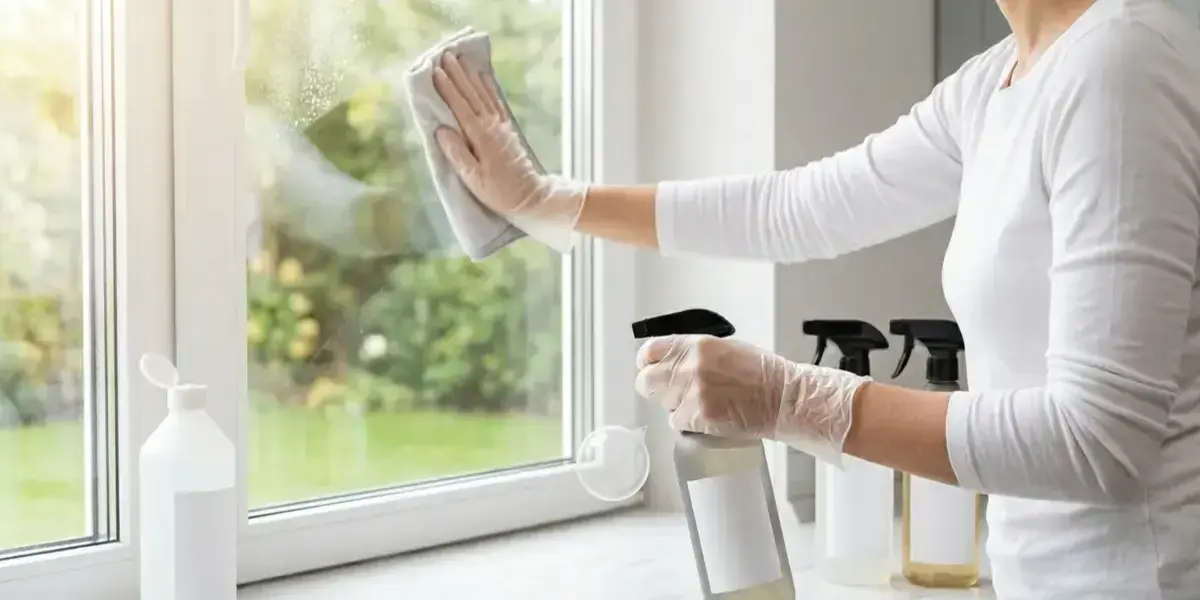
Ammonia is a product of many uses, and you will come across it in a variety of cleaning solutions that are used in everyday life. Glass and window cleaners is one of the most widespread. These products are based on ammonia to eliminate fingerprints, smudges and streaks with a clear and shiny finish remaining. Ammonia can also be contained in floor cleaners, particularly, tile and hard floor cleaners. It aids in loosening the tough dirt and grease giving floors a cleaner and brighter appearance. Likewise, the cleaning agents used in the kitchen are likely to contain ammonia to address oily stovetops, countertops, and range hoods where cooking stains are likely to accumulate.
There are also cases when bathroom cleaners include ammonia, especially the one that removes soap scum and light stains. Also, in multi-purpose cleaners, small portions of ammonia can be added to increase their cleaning capabilities on various surfaces. Some of the upholstery cleaning stuffs as well as carpet cleaning solutions utilize ammonia to clean up stains and freshen fabrics. Nonetheless, such products are normally designed with care to prevent destruction of fragile materials.
Why Cleaners that are Based on Ammonia are Effective?
Ammonia is effective in that it dissolves oils and dirt very fast. It operates through a process of loosening dirt on surfaces so that it is easier to wipe. It does not leave any residue because it dries quickly, hence making it perfect with glass and shiny surfaces.
Ammonia is also relatively cheap as compared to some specialised cleaning agents and thus it is widely used in both commercial and domestic products.
Safety When Working with Ammonia
Although ammonia works, it should be cautiously used. Its fumes are very strong and may cause irritation to the eyes, nose and the throat particularly in places that are poorly ventilated. Excessive exposure can lead to discomfort or difficulty breathing and it is recommended to also use ammonia based cleaning products in places that are well ventilated.
Among the most valuable safety regulations is the consideration that it should never be mixed with ammonia and bleach. This mixture produces deadly gases that may be very hazardous. Read the product label always and do not mix various cleaning chemicals unless it is indicated that it is safe to do so. One more way of safeguarding your skin against irritation is wearing gloves when using products containing ammonia.
Are there Natural alternatives to Ammonia?
In case you want a more natural method of cleaning, there are also a few options that you might choose. Vinegar is highly preferred as a substance to cut grease and eliminate odours whereas baking soda is effective in cleaning and deodorising. Another example of natural cleaners is lemon juice that adds a pleasant aroma and helps dissolve dirt.
These replacements may as effective as ammonia in certain situations and in the majority of situations, they may be safer to use in daily cleaning processes and still effective.
How to identify Ammonia in Cleaning Products?
To determine the presence of ammonia in a product, one should look at the label of the product to identify what is in it. It can be mentioned as either ammonia itself or as ammonium hydroxide. On the front label of some of its products, especially the glass cleaners, Ammonia is also indicated.
Knowing what you are using will enable you to use products in a safe manner and the appropriate cleaner to use on a specific work.
In What Cases Do You Use Ammonia-based Cleaners?
Expert cleaning with ammonia is highly recommendable in hard cleaning tasks that are characterized by grease and dirt which are hard to clean. They work best on kitchens, windows and on hard surfaces which need a streak-free finish. But when doing everyday cleaning or when you have children and pets, you can use milder or natural ones.
Although it may be a good compromise between effectiveness and safety, it is possible to use ammonia products not daily, but a few times a week, to do a deep cleaning.
Conclusion
Ammonia is a potent and popular component of numerous cleaning agents that have been proven to cut through grease to provide streak-free performance. It is used in the cleaning of glass, kitchen and floor cleaners, among others, to ensure that the homes remain clean and presentable while also helping to remove bad odours.
But its strength comes at a price. Having known the origin of ammonia and the way to use it without putting your health at risk, you will definitely get the best results. Be sure of a clean, fresh, and comfortable environment at home with safe practices and the right combination of the right products.